Repair and maintenance services we provide
Control head and valve repair
The control head manages regeneration timing and cycle sequencing. Common failures include a stuck or failed motorized bypass valve, an error code on the controller display, or a system that no longer initiates regeneration cycles. Many control head issues are repairable with replacement valve seals or a new circuit board. If the unit is older than 12 to 15 years, a full replacement often costs similar to a major repair and provides a fresh warranty.
Brine tank cleanout and resin replacement
Brine tanks accumulate mushy salt buildup or salt bridges, a crust that forms across the top of the tank and prevents salt from dissolving properly. A brine tank cleanout involves removing old salt and residue, cleaning the tank interior, and refilling with fresh pellet-style salt. Resin replacement is less common but necessary when the resin bed reaches end of life and the softener stops removing hardness even with proper salt levels and cycle function.
Bypass valve and plumbing connection service
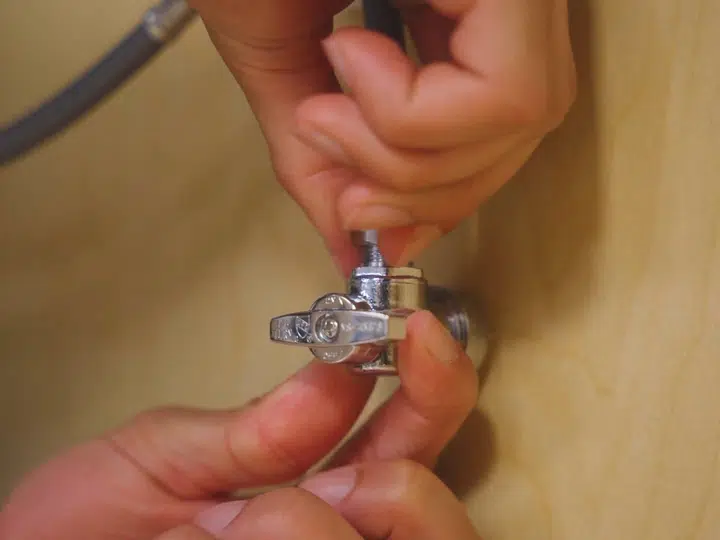
Bypass valves allow the softener to be taken offline for service without shutting off water to the whole house. A stuck or leaking bypass valve is a common service call on older softeners, and replacement is typically straightforward. We also service the drain line connection, the inlet and outlet plumbing connections, and the overflow saddle valve if one was used for the drain hookup.
Cost of water softener installation and repair in Stanton and central OC
Typical price ranges (2026)
Standard ion exchange water softener installed: $800 to $2,200 depending on capacity and brand. Salt-free conditioning system installed: $500 to $1,500. Control head repair or replacement: $150 to $500. Brine tank cleanout: $75 to $150. Resin replacement: $200 to $400 for the media plus labor. Bypass valve replacement: $100 to $250 including parts and labor.
California's water efficiency landscape may also affect softener selection. Some older inefficient softeners waste significant water during regeneration cycles; newer demand-initiated systems regenerate only when needed, significantly reducing water waste. For Stanton properties where water conservation matters, we can discuss efficient softener options that meet California's plumbing code requirements for water use.
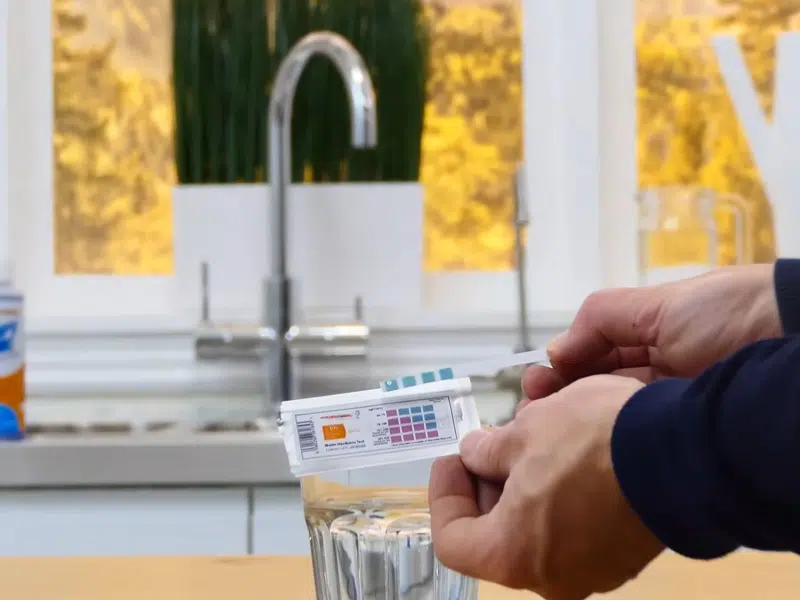
Water softener companies in the Stanton area split into two types: equipment dealers who sell a system and subcontract the plumbing, and licensed plumbers who size, install, and later service the unit themselves. The distinction matters on the Golden State Water West OC supply, where a softener sized off a generic hardness assumption instead of a measured 200 to 300 ppm reading regenerates too often and wastes salt. We test hardness at the property before recommending a grain capacity, and we handle the drain and bypass connections under the same license that covers the rest of your plumbing.
Other related work we handle
We also install whole-house and under-sink water filtration systems for households that want filtered water in addition to or instead of softened water. Reverse osmosis systems under the kitchen sink address a different problem than a whole-house softener; they remove a broader range of dissolved contaminants rather than just hardness minerals. For homes dealing with water heater sediment buildup specifically, water heater repair and periodic tank flushing can extend tank life while a softener slows future accumulation. We also handle water line repair and replacement if the assessment reveals supply line issues that need to be addressed alongside the softener installation.