What leak detection is, and why Stanton's older homes produce hidden leaks
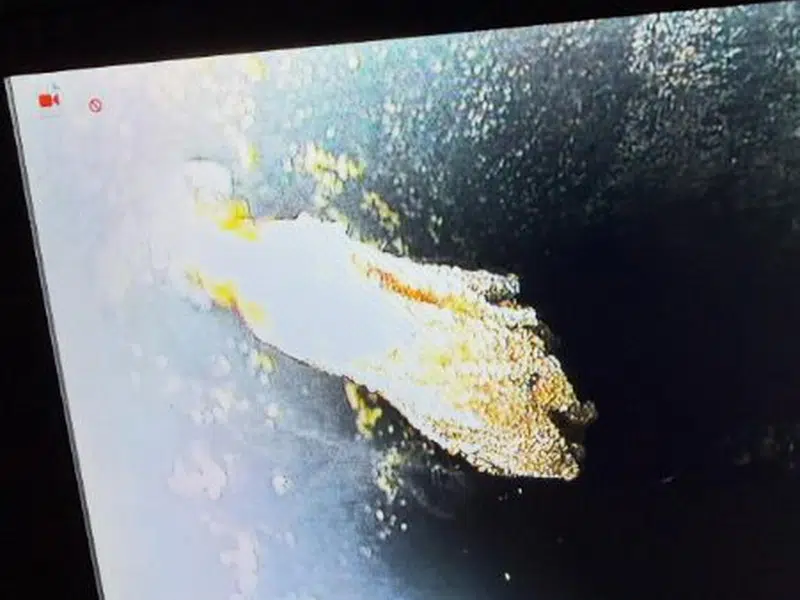
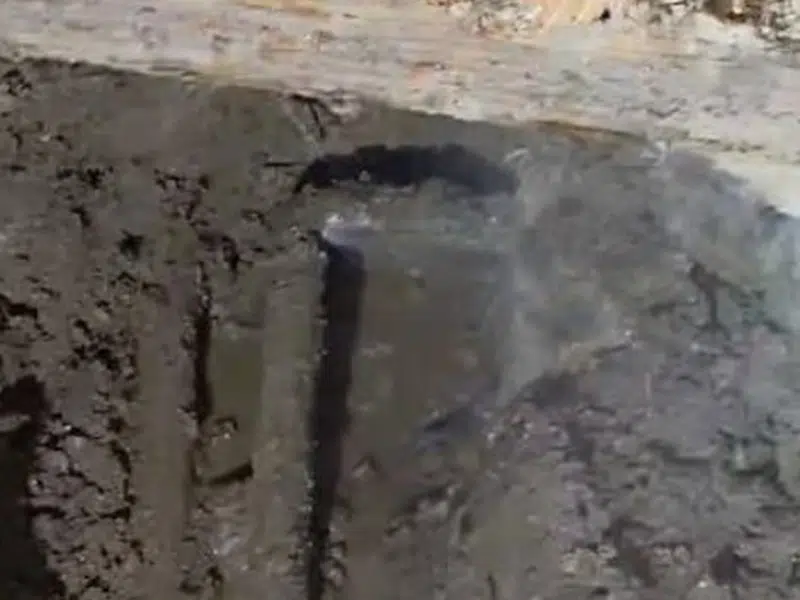
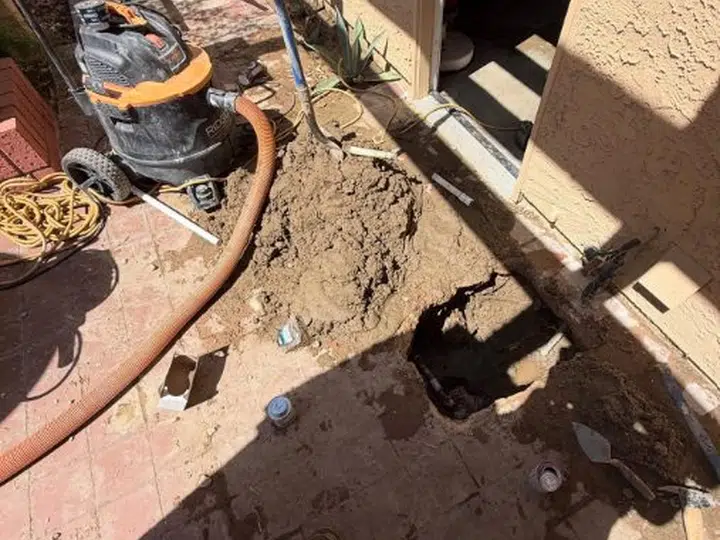
Leak detection locates a water supply line failure before the evidence becomes obvious. By the time a wall shows a water stain or paint bubbles, the leak has typically been running for days or weeks, with most of the water damage occurring inside the wall cavity. Early detection finds the failure sooner, reduces the water damage footprint, and makes repair more targeted because the plumber knows exactly where to open the wall rather than cutting speculatively.
Stanton's 1950s through 1980s housing stock concentrates two pipe types most prone to hidden leaks. Galvanized steel supply lines in pre-1965 homes corrode from the inside, developing pinhole failures that can drip silently inside a wall for months. Copper supply lines in the 1960s and 1970s homes are susceptible to pitting corrosion in Stanton's moderately hard water, particularly on hot water lines where mineral deposits and temperature cycles stress the pipe continuously. Both failure modes produce leaks that are not visible at the source, only at wherever the water eventually migrates to a surface.
Multi-family properties generate a distinct leak detection pattern. A drip from a second-floor unit that shows up as a ceiling stain in the unit below requires locating which supply line in the upper unit is the source. With multiple pipe runs in a framed wall or ceiling cavity, detection narrows the search before any drywall is opened, which reduces both the damage to the unit and the repair cost.